Imagine spending weeks crafting the perfect blog post, optimizing every heading, fine-tuning every keyword, and finally landing on the first page of Google. You check your rankings and your content is right there at the top. But then you look at your traffic numbers and something feels off. Your rankings are strong, but the clicks are not coming in the way you expected. You are not imagining things. This is the reality of what is happening to millions of websites right now, and it has a name: zero-click searches.
This is one of the most talked-about shifts in the world of SEO right now, and for good reason. Understanding what zero-click searches are, why they happen, and how to work with them instead of against them could be the difference between a content strategy that thrives and one that quietly loses ground year after year.
What Exactly Is a Zero-Click Search?
A zero-click search happens when someone types a query into a search engine, gets the answer directly on the search results page, and leaves without clicking on any website. The search was made, the question was answered, but no traffic was generated for anyone.
This happens because search engines like Google have become increasingly good at answering questions without making users go anywhere else. When you search for something like “what time is it in Tokyo” or “how many centimeters in an inch,” Google displays the answer right at the top of the page inside a neat little box. You got what you needed. You close the tab. Nobody gets a visit.
These direct answers come in several forms. There are featured snippets, which pull a short excerpt of text from a webpage and display it prominently at the very top of search results. There are knowledge panels, which appear on the right side of the screen and display organized facts about a person, place, or organization. There are local packs, which show a map and a list of nearby businesses when someone searches for a local service. There are also People Also Ask boxes, calculators, weather widgets, currency converters, and a growing number of other built-in answer tools that Google has added over the years.
According to research from Semrush and SparkToro, a significant portion of all Google searches now end without a click. On mobile devices, the rate of zero-click searches is even higher than on desktop, largely because the answers displayed on a small screen take up so much visual space that users rarely feel the need to scroll further.
Why Google Is Doing This
To understand zero-click searches, it helps to understand what Google’s ultimate goal is. Google is not primarily a tool that drives traffic to websites. Google is a tool that helps users find answers as quickly and effortlessly as possible. The faster and more completely Google can answer a question without sending the user somewhere else, the more valuable Google becomes as a product.
Every time Google adds a new SERP feature (which stands for Search Engine Results Page feature), it is doing so in the name of user convenience. And from a pure user experience standpoint, these features are genuinely useful. Nobody wants to click through five different websites just to find out what the capital of Portugal is.
From a business perspective however, this creates a real challenge. Publishers and content creators invest enormous amounts of time and resources into creating content, and that content is being used to answer questions in ways that do not always reward them with the traffic they might have expected to receive.
This does not mean content creation is dead or that SEO no longer matters. Far from it. What it does mean is that the way you measure success and the way you optimize your content needs to evolve alongside the way search engines are presenting information.
The Types of Zero-Click Search Features You Need to Know
Before you can develop a strategy to work with zero-click searches, you need to understand the different types of SERP features that are triggering them.\
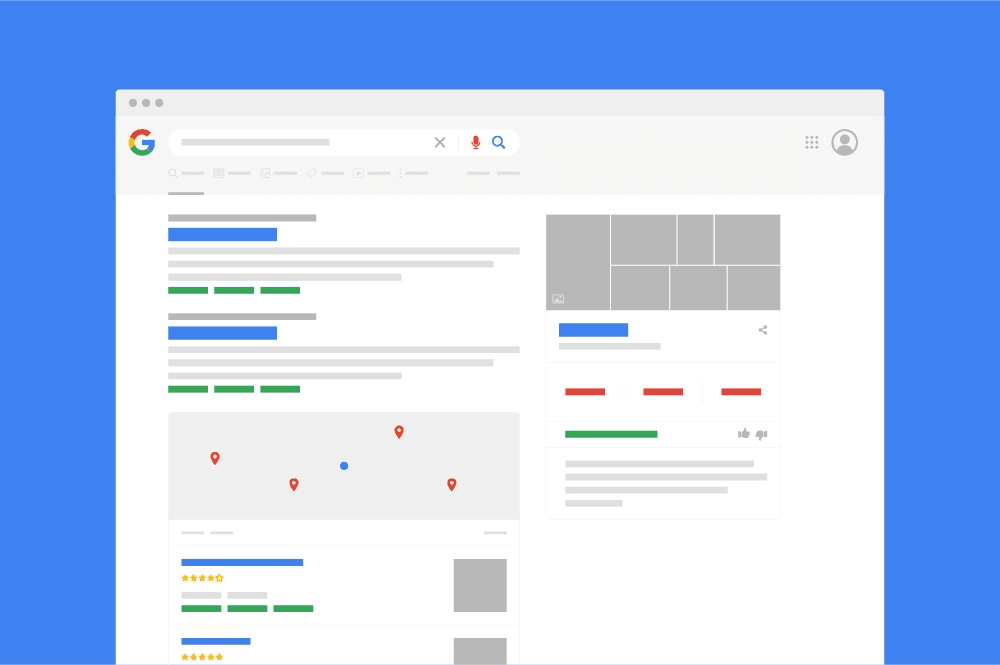
- Featured snippets are the most well-known zero-click result. They appear in a box at the very top of the search results, above all the regular organic links, in a position often called Position Zero. Google pulls a brief, direct answer from a webpage and displays it in the snippet box, usually in paragraph form, as a numbered list, or as a table. The page that Google pulls from is credited with a link below the snippet, but many users read the answer and never click through.
- Knowledge panels appear when users search for well-known entities like celebrities, brands, historical figures, or major companies. These panels pull data from sources like Wikipedia, Google’s Knowledge Graph, and structured data provided by the websites themselves. They give users a quick overview of who or what they searched for without requiring any clicks.
- Local packs show up when someone searches for a business or service near their location, such as “coffee shop near me” or “dentist in Kuala Lumpur.” Google displays a map along with three business listings that include ratings, addresses, and contact information. For local businesses, appearing in the local pack is incredibly valuable visibility even without a click, because users can see your business name, rating, and location at a glance.
- People Also Ask (PAA) boxes are expandable question-and-answer sections that appear within the search results. Each question in the box pulls an answer from a different webpage. When a user expands one answer, more questions dynamically load below it, creating a rabbit hole of answers that can keep users engaged on the search results page for a surprisingly long time.
- Rich results are enhanced search listings that include extra visual information like star ratings, product prices, event dates, recipe details, or FAQ dropdowns. These are powered by structured data markup added to a webpage’s code and make listings stand out visually even when they are not in the top position.
Why Zero-Click Searches Are Not Entirely Bad News
It is easy to look at zero-click data and feel discouraged. But zero-click searches are not entirely bad news for your business, and here is why.
Even when someone does not click on your website, being visible in a featured snippet or a knowledge panel still builds brand awareness. Your website name, your brand, and your content are being seen by thousands or even millions of people who are searching for topics related to your business. That repeated exposure has real value, even without a direct click.
Think about it from a consumer behavior perspective. A user might see your brand name appear in a featured snippet three or four times across different searches before they ever visit your website. By the time they do click, they already have a sense of familiarity and trust with your brand. That trust makes them more likely to engage, subscribe, or buy.
Zero-click visibility is particularly powerful for local businesses. When your business appears in a local pack result, the user sees your name, your rating, your address, and sometimes a photo, all without clicking. That might be all the information they need to walk through your door or pick up the phone. The conversion happened without a single click on your website.
There is also growing evidence that users who see a featured snippet and do not click are often users who were never going to be your customer in the first place. They asked a simple factual question, got their answer, and moved on. The users who do click tend to be further along in their decision-making process, which often makes them more valuable visitors even if there are fewer of them.
How to Optimize for Featured Snippets
Winning a featured snippet is one of the most effective strategies for gaining visibility in a zero-click world. Even though featured snippets do not always drive as many clicks as a traditional first-position result, they place your brand in the most prominent position on the entire page and give you a level of authority that no other search result can match.
The first thing to understand is that Google almost always pulls featured snippets from pages that are already ranking on the first page of search results. This means that earning a featured snippet starts with good foundational SEO. Your content needs to be well-written, properly structured, and already competitive for the keyword you are targeting.
To increase your chances of earning a featured snippet, structure your content to directly answer specific questions. If someone searches “how do I choose a web hosting plan,” your content should include a clear, concise answer to that exact question written in plain language. Keep your answer between 40 and 60 words for paragraph snippets, as Google tends to prefer responses within that range.
Using clear heading tags like H2 and H3 to introduce each topic or question in your content helps Google understand the structure of your page and makes it easier for the algorithm to extract the right section as a snippet. Including numbered lists or step-by-step instructions increases your chances of earning a list-type featured snippet, which is one of the most common formats Google displays.
Use tools like Semrush, Ahrefs, or Google Search Console to identify which of your existing pages are already ranking on the first page but have not yet earned a featured snippet. These are your best opportunities. Revisit that content, restructure the relevant sections to be more direct and scannable, and monitor whether Google picks up the changes.
Leverage Structured Data to Win Rich Results
Structured data, also called schema markup, is code that you add to your webpage to help search engines understand the content on your page in a more organized way. It does not change what your page looks like to visitors, but it tells Google exactly what type of content it is dealing with and unlocks eligibility for rich results in search.
Different types of structured data unlock different types of rich results. Adding FAQ schema to a page that contains a list of frequently asked questions can result in those questions appearing as expandable dropdowns directly in the search results, giving your listing extra visibility without requiring a click. Adding How-To schema to a tutorial page can result in step-by-step instructions appearing directly in the SERP. Adding Review schema to a product page can display star ratings next to your search listing, making it more visually appealing and more likely to earn a click even in a competitive results page.
For local businesses, adding Local Business schema to your website helps Google populate your knowledge panel and local pack listing with accurate information like your opening hours, phone number, address, and service area. This directly improves your zero-click visibility because the information Google displays about your business will be more complete and accurate.
You can create and validate structured data using Google’s Rich Results Test tool, which shows you exactly what rich results your page is eligible for based on the markup you have added. Schema.org is the official reference website for all supported schema types and is the best place to learn about the full range of markup options available to you.
Build a Strong Brand Presence in Search
One of the most powerful long-term strategies for thriving in a zero-click environment is to build a brand that people actively search for by name. When users type your brand name directly into Google, they are performing what is called a branded search, and branded searches almost never result in zero-click outcomes because the user is specifically looking for your website.
Building brand awareness through content marketing, social media, email newsletters, podcast appearances, and public relations means that more and more people will know your name and search for it directly. These visitors are also your most valuable audience because they are already interested in you specifically, not just in the general topic you write about.
Encouraging your audience to bookmark your website, subscribe to your email list, or follow you on social media turns one-time visitors into recurring ones who do not need to go through Google at all to come back. This reduces your dependence on search engine traffic and builds a more resilient, diversified traffic strategy.
Claiming and fully optimizing your Google Business Profile is another important step for building brand presence. A complete and up-to-date Google Business Profile increases your chances of appearing in the local pack and knowledge panel, and it ensures that when users do see your business in zero-click results, the information they see is accurate and compelling.
Focus on Bottom-of-Funnel Keywords
Not all keywords are equally vulnerable to zero-click searches. Simple informational queries like “what is web hosting” or “how does SSL work” are highly likely to trigger a featured snippet or knowledge panel because the answers are straightforward and concise. These are the queries that zero-click searches most commonly affect.
Bottom-of-funnel keywords, on the other hand, are far less susceptible to zero-click outcomes. These are keywords used by people who are close to making a decision, such as “best web hosting for small business 2025,” “buy SSL certificate for WordPress,” or “compare VPS hosting plans.” These queries require nuanced, detailed answers that Google cannot easily fit into a snippet box, and users searching with these keywords are actively looking for a trusted source to help them choose.
Investing your content strategy in comparison articles, product reviews, buying guides, and case studies targets users who are in the decision-making phase of their journey. These users are not looking for a quick answer they can absorb in ten seconds. They want to dig in, compare options, and read opinions. They are going to click, and when they do, they are much more likely to convert into a customer.
Balancing your content between top-of-funnel informational content that builds authority and visibility and bottom-of-funnel content that drives qualified traffic is the smartest content strategy in a zero-click world.
Use Zero-Click Features as a Research Tool
Here is a perspective that most content creators overlook: SERP features like People Also Ask boxes and related searches are actually a goldmine of content ideas and audience insight.
When you search for a keyword related to your niche and look at the questions in the People Also Ask box, you are seeing exactly what real people are curious about. Each question in that box represents a real search query being asked by real users. If Google is displaying those questions prominently, it means there is significant demand for answers.
Use these questions as inspiration for new blog posts, video scripts, podcast episodes, or FAQ sections on your existing pages. By creating content that answers these questions in depth, you not only have a chance at earning the featured snippet for that question, but you also build topical authority in your niche, which strengthens your overall SEO standing across all your content.
Tools like AlsoAsked and AnswerThePublic are specifically designed to map out the full web of questions that users are asking around any given topic. These tools pull data directly from People Also Ask boxes and related searches, giving you an incredibly detailed picture of the questions your audience has and the language they use to ask them.
Measure Beyond Clicks
Finally, the most important mindset shift you can make in a zero-click world is to start measuring success beyond just click-through traffic. Impressions, brand searches, direct traffic, and engagement metrics all tell part of the story that raw click data misses.
In Google Search Console, you can see how many times your pages are appearing in search results even when users are not clicking. A page that earns 50,000 impressions per month but only 1,000 clicks is still putting your brand name in front of 50,000 people. That visibility has compounding value over time as your brand becomes more recognized in your space.
Track direct traffic in Google Analytics to see how many people are typing your website address directly into their browser. A steady increase in direct traffic over time is one of the clearest signs that your brand awareness efforts are working, even in an environment where organic clicks are harder to come by.
Set up conversion tracking to measure not just how many people visit your website, but what they do when they get there. In a world where traffic volumes are increasingly impacted by zero-click results, the quality of your traffic matters more than the quantity. A smaller number of highly engaged, purchase-ready visitors is worth far more than a large number of casual browsers who bounce within seconds.
Zero-Click Is the New Reality. Here Is How You Win.
Zero-click searches are not a bug in the system. They are a feature of a search engine that is getting better and better at its job. Trying to fight that reality is a losing battle. But adapting to it, and even leveraging it, is a winning strategy.
Optimize your content for featured snippets and rich results. Build structured data into your pages. Invest in brand awareness that drives direct and branded searches. Focus your energy on bottom-of-funnel keywords that drive decision-ready visitors. And start measuring your success with a broader lens than just click-through rates.
The websites that will thrive in the years ahead are the ones that understand visibility and authority are just as valuable as raw traffic. In a zero-click world, being seen is still winning. You just need to make sure that when you are seen, your brand leaves an impression strong enough to bring people back.


You must be logged in to post a comment.