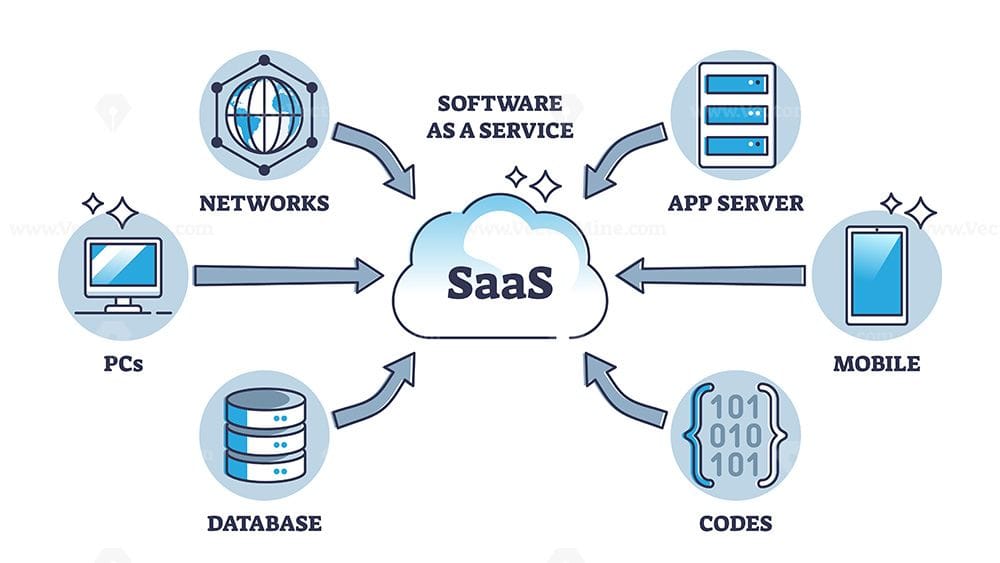
If you have ever built or managed a SaaS (Software as a Service) platform, you already know that the technical challenges multiply as your customer base grows. What works perfectly fine when you have ten customers starts showing cracks at a hundred, and by the time you reach a thousand, the systems you put in place at the beginning can feel like they are holding everything together with tape and good intentions.
One of the most common areas where this growing pain shows up is SSL certificate management. When you are running a SaaS platform that serves hundreds or thousands of customers, each with their own custom domain, managing SSL certificates is not a simple set-it-and-forget-it task anymore. It becomes a complex, ongoing operational responsibility that can seriously affect your customers’ experience, your platform’s security posture, and your team’s workload if not handled properly.
This post is going to walk you through everything you need to understand about managing SSL certificates at scale on a SaaS platform, from the core concepts all the way to the tools and strategies that make large-scale certificate management actually manageable.
Why SSL Matters Even More for SaaS Platforms
You already know that SSL certificates are important for websites. They encrypt data in transit, they signal trust to visitors, and they are a ranking factor in search engines. But for a SaaS platform, SSL is not just important. It is absolutely critical in ways that go beyond what a standard website needs to consider.
When customers use your SaaS product, they are often sharing highly sensitive information. This could be business data, financial records, customer information, employee details, or proprietary processes. All of that data flows through your platform every single day. Without proper SSL encryption, every piece of that data is potentially exposed to interception by malicious actors on the network.
Beyond data protection, SSL directly impacts customer trust. When a business signs up for your SaaS product and connects their custom domain, the first thing their team and their end users will notice is whether the connection is secure. A missing or expired SSL certificate on a customer-facing SaaS application is not just a technical oversight. It is a trust-destroying event that can lead to customer churn, negative reviews, and serious damage to your platform’s reputation.
At scale, even a small SSL management gap, such as a handful of expired certificates or a broken HTTPS configuration on a few customer domains, can quickly snowball into a support crisis that overwhelms your team and shakes customer confidence across your entire platform.
Understanding the SSL Challenge Unique to SaaS
To appreciate why SSL management on a SaaS platform is different from managing certificates on a regular website, you need to understand how most SaaS platforms work from a domain perspective.
Most SaaS platforms offer customers two ways to access the product. The first is through a subdomain on the platform’s own domain, such as customername.yourplatform.com. The second, and more valuable option for customers who care about branding and professionalism, is through a custom domain like app.theircustomerdomain.com.
When a customer uses your platform’s subdomain, managing the SSL certificate is straightforward. You control the domain, so you can issue and manage the certificate for the entire subdomain namespace using a single wildcard SSL certificate that covers all variations.
But when customers bring their own custom domains, the SSL challenge becomes significantly more complex. Each custom domain is owned and controlled by a different customer. Each one requires its own individual SSL certificate to be issued, installed, and renewed. You are no longer managing one certificate or even ten. You are potentially managing hundreds or thousands of unique certificates, each tied to a different customer’s domain, each with its own expiration timeline, and each requiring its own validation and renewal process.
This is the SSL management challenge that is unique to SaaS platforms, and it is the one that requires a deliberate, automated, and scalable approach to get right.
The Three Types of SSL Certificates SaaS Platforms Use
Before diving into management strategies, it is helpful to understand the three main types of SSL certificates that SaaS platforms commonly work with, and what role each one plays.
Single Domain SSL Certificates cover exactly one domain or subdomain. They are simple, widely supported, and easy to manage on a small scale. For a SaaS platform managing a small number of custom customer domains, single domain certificates can work. But as the number of customer domains grows, managing individual single domain certificates for each one quickly becomes an administrative nightmare without heavy automation.
Wildcard SSL Certificates cover a primary domain and all of its first-level subdomains under a single certificate. For example, a wildcard certificate for *.yourplatform.com would cover app.yourplatform.com, customer1.yourplatform.com, customer2.yourplatform.com, and any other subdomain you create. This is the most practical and cost-effective solution for managing all of your platform’s own subdomain customers under a single certificate.
Multi-Domain SSL Certificates, also known as SAN certificates or Subject Alternative Name certificates, cover multiple completely different domain names under a single certificate. These can be useful in certain SaaS architectures, but they come with limitations in terms of how many domains they can cover and the complexity of adding or removing domains dynamically as your customer base changes.
For most SaaS platforms at scale, the practical approach is to use a wildcard certificate for your own subdomain customers and implement an automated certificate issuance system for custom domain customers.
Why Manual Certificate Management Does Not Scale
Let’s be honest about something. When a SaaS platform is young and has only a handful of customers using custom domains, managing SSL certificates manually might feel manageable. You issue a certificate, install it, set a reminder for renewal, and move on.
But as your customer base grows, manual management becomes one of the most dangerous things you can do from an operational standpoint. Here is why.
Each SSL certificate has an expiration date. Standard certificates issued by most Certificate Authorities (CAs) are valid for a maximum of 13 months, and many modern certificates are issued for shorter periods. Let’s Encrypt certificates, which are among the most widely used in automated SaaS setups, expire every 90 days. If even a small percentage of your certificates are not renewed before their expiration date, those customers will start seeing security warnings in their browsers, their end users will panic, support tickets will flood in, and your team will be scrambling to fix the problem under pressure.
Manual management also introduces human error. Missed renewal reminders, miscommunicated responsibilities between team members, and simple oversights can all result in certificates expiring at the worst possible moments. And when you are managing certificates for hundreds of customer domains, the probability of at least one being missed at any given time is essentially a guarantee without proper automation.
The only way to manage SSL certificates at scale without losing your mind or your customers’ trust is through robust automation.
Automated Certificate Issuance with ACME Protocol
The foundation of modern automated SSL certificate management is a protocol called ACME, which stands for Automated Certificate Management Environment. ACME is the protocol used by Let’s Encrypt and other certificate authorities to automate the entire process of domain validation, certificate issuance, and certificate renewal without any human intervention required.
The way ACME works is elegant in its simplicity. Your platform’s server communicates directly with the Certificate Authority’s servers using the ACME protocol. When a certificate needs to be issued or renewed, your server automatically proves that it controls the domain in question through a process called a challenge. Once the challenge is passed, the CA issues or renews the certificate automatically and your server installs it without anyone needing to click a single button.
There are two main types of ACME challenges relevant to SaaS platforms at scale. The first is the HTTP-01 challenge, where your server proves domain ownership by placing a specific verification file at a known URL on the domain being validated. The second is the DNS-01 challenge, where domain ownership is proven by adding a specific TXT record to the domain’s DNS configuration. For SaaS platforms managing custom customer domains, the DNS-01 challenge is often more practical because it does not require the customer’s web traffic to be routed through your servers before the certificate is issued.
Several excellent open-source tools and libraries implement the ACME protocol and can be integrated directly into your SaaS platform’s infrastructure. Certbot is the most widely known ACME client and works well for smaller deployments. For SaaS platforms needing more programmatic control and tighter integration with their own systems, libraries like acme.js for Node.js, acme for Python, and lego for Go offer flexible and powerful options.
Building a Certificate Lifecycle Management System
Automating certificate issuance is a great start, but a truly scalable SSL management system needs to handle the complete certificate lifecycle, not just the initial issuance.
The certificate lifecycle for a SaaS platform includes several distinct phases. The first phase is provisioning, which is the process of issuing a new certificate when a customer connects a custom domain for the first time. This needs to happen quickly and reliably because customers expect their custom domain to be secured immediately after they complete the setup process in your platform.
The second phase is monitoring. Your system needs to continuously track the expiration dates of every certificate across all your customer domains and alert your team if any certificate is approaching its expiration date without having been renewed successfully. Tools like Prometheus combined with alerting through PagerDuty or Slack can be used to build a robust certificate monitoring dashboard that gives your team real-time visibility into the health of your entire certificate portfolio.
The third phase is renewal. Ideally this happens automatically well before the expiration date, typically 30 days before expiry for a 90-day Let’s Encrypt certificate. Your automation system should attempt renewal, verify that the new certificate is valid and properly installed, and only escalate to a human if something goes wrong during the process.
The fourth phase is revocation. When a customer leaves your platform and disconnects their custom domain, their certificate needs to be properly revoked and removed from your infrastructure. Failing to clean up expired or no longer needed certificates creates unnecessary complexity and can introduce security vulnerabilities over time.
Leveraging Platforms and Services Built for Scale
Building an SSL management system entirely from scratch is possible, but it is also time-consuming and requires significant ongoing maintenance. For many SaaS teams, the smarter approach is to leverage existing platforms and services that are specifically designed to handle certificate management at scale.
Cloudflare is one of the most popular choices for SaaS platforms managing custom domain SSL at scale. Cloudflare offers a product called Cloudflare for SaaS (previously known as SSL for SaaS) that allows you to manage custom domain SSL for all your customers through a single API. When a customer connects their custom domain, your platform makes an API call to Cloudflare, which then handles domain validation, certificate issuance, and ongoing renewal automatically. Cloudflare also brings the added benefit of its global CDN and DDoS protection as part of the same infrastructure.
AWS Certificate Manager (ACM) is another excellent option for SaaS platforms built on Amazon Web Services. ACM can automatically provision and renew SSL certificates for custom domains and integrates natively with other AWS services like Elastic Load Balancer, CloudFront, and API Gateway. For platforms already deeply integrated into the AWS ecosystem, ACM is a natural and powerful choice.
Caddy is an open-source web server that has built-in automatic HTTPS as one of its core features. Caddy uses the ACME protocol to automatically obtain and renew Let’s Encrypt certificates for any domain it serves, with almost zero configuration required. For SaaS platforms that manage their own server infrastructure, Caddy can dramatically simplify the certificate management process.
Traefik is another open-source reverse proxy and load balancer that includes native Let’s Encrypt integration and is particularly popular in containerized and Kubernetes environments. If your SaaS platform runs on Docker or Kubernetes, Traefik can handle certificate management across your entire cluster with minimal operational overhead.
Handling Custom Domain Onboarding Smoothly
The customer experience during custom domain onboarding is one of the moments where your SSL management system either shines or creates friction. Getting this flow right is important because it is one of the first deep technical interactions a customer has with your platform, and a smooth experience builds confidence while a clunky one creates doubt.
A well-designed custom domain onboarding flow typically works like this. The customer enters their custom domain in your platform’s settings. Your platform provides clear, step-by-step instructions for the customer to add a CNAME record or A record to their domain’s DNS settings, pointing their domain to your platform’s servers. Once the customer has made the DNS change, your platform continuously checks for the DNS update to propagate. When propagation is confirmed, your automated system triggers the certificate issuance process, and within minutes the customer’s custom domain is live with a valid SSL certificate.
The key to making this experience smooth is clear communication and real-time feedback. Your platform should show the customer exactly what DNS changes to make, in simple and unambiguous language. It should display a clear status indicator showing whether the DNS change has been detected and whether the SSL certificate has been issued successfully. And it should send the customer an email notification the moment their custom domain is fully secured and live.
Any friction in this process, such as unclear instructions, long waiting times with no status updates, or failures that are not clearly communicated, will generate support tickets and leave customers feeling frustrated and uncertain about your platform’s reliability.
Dealing with Certificate Failures and Edge Cases
Even with the best automation systems in place, certificate failures happen. DNS changes take longer than expected to propagate. Customers make typos in their DNS records. Rate limits on certificate issuance get hit during a surge of new customer onboarding. Servers go down during a renewal attempt. These edge cases are inevitable at scale, and having a clear plan for handling them is just as important as having a solid automation system.
Your system should implement automatic retry logic for certificate issuance and renewal attempts. If a first attempt fails, the system should wait a reasonable interval and try again, rather than simply giving up and requiring manual intervention. Most transient failures, such as a temporary DNS propagation delay or a brief network hiccup, will resolve themselves within hours if your system is configured to retry intelligently.
For failures that cannot be resolved automatically, your monitoring system should escalate the issue to your team immediately with enough context to diagnose and fix the problem quickly. This means your alerts should include not just the fact that a certificate failed, but which customer domain is affected, what the error message was, how many retry attempts have been made, and how much time remains before the current certificate expires.
Let’s Encrypt also imposes rate limits on certificate issuance that SaaS platforms at scale can hit during periods of rapid growth or bulk customer onboarding. The most important limit to be aware of is the Certificates per Registered Domain limit, which caps the number of certificates that can be issued for a given domain per week. Understanding these limits and designing your onboarding and renewal systems to work within them is an important part of building a reliable certificate management infrastructure.
Security Best Practices for SaaS SSL at Scale
Managing certificates at scale is not just about automation and operational efficiency. It is also about maintaining the highest possible security standards across your entire certificate infrastructure.
One of the most important security practices is enforcing HTTPS everywhere across your platform with no exceptions. This means configuring your servers to automatically redirect any HTTP traffic to HTTPS using a 301 redirect, ensuring that no customer data ever travels over an unencrypted connection even if a user accidentally types their URL without the https:// prefix.
HSTS (HTTP Strict Transport Security) is a security policy that tells browsers to always connect to your platform over HTTPS and never fall back to HTTP, even if someone tries to manipulate the connection. Implementing HSTS across your entire platform and getting your domains added to the HSTS preload list is one of the strongest security steps you can take for a SaaS platform at scale.
Keeping your TLS configuration up to date is also critically important. This means disabling outdated and insecure protocol versions like TLS 1.0 and TLS 1.1, and only allowing connections using TLS 1.2 and TLS 1.3. It also means configuring your server to use strong, modern cipher suites and disabling weak or deprecated ones. Tools like SSL Labs’ SSL Server Test allow you to check the TLS configuration of any domain and receive a detailed security grade along with specific recommendations for improvement.
Regularly auditing your certificate inventory is another practice that becomes increasingly important at scale. Knowing exactly how many certificates you have active, which domains they cover, when they expire, and who issued them gives you the visibility you need to catch potential problems before they become customer-facing incidents.
The Operational Benefits of Getting This Right
Investing the time and resources to build a robust, automated SSL management system for your SaaS platform is not just a defensive move against security risks. It also delivers real, tangible operational benefits that make your entire team’s life easier and your platform more competitive.
When SSL management is fully automated, your engineering team is freed from routine certificate maintenance tasks and can focus their energy on building features that grow your business. Your support team receives fewer tickets related to SSL errors and security warnings because expired certificates and broken HTTPS configurations become extremely rare events rather than recurring headaches.
Your customers experience a smoother, more professional onboarding journey because custom domain setup just works. And your platform’s overall reliability and security reputation strengthens over time, which is a competitive advantage that helps with customer retention and word-of-mouth growth.
There is also a direct financial benefit to consider. The cost of building and maintaining a proper SSL management system is real, but it is almost certainly far less than the cost of the customer churn, emergency support incidents, and reputational damage that comes from managing SSL certificates poorly at scale.
Scaling Your SSL Strategy as You Grow
The right SSL management approach for a SaaS platform with fifty customers is not necessarily the right approach for one with five thousand. As your platform grows, your certificate management strategy should evolve with it.
In the early stages, a lightweight solution using Let’s Encrypt with Certbot and manual monitoring might be sufficient. As you grow into the hundreds of customers range, investing in a more automated and programmatic approach using ACME libraries integrated directly into your platform’s codebase becomes important. At thousands of customers, leveraging managed solutions like Cloudflare for SaaS or AWS Certificate Manager combined with a robust internal monitoring and alerting system becomes the most practical and scalable path forward.
The key is to stay proactive rather than reactive. Do not wait for the first wave of expired certificates and angry customers to convince you that your current approach is not scaling. Build the next level of your SSL management infrastructure before you need it, not after the problems have already arrived.
SSL Management Is a Feature, Not a Chore
The way your SaaS platform handles SSL certificates at scale is a direct reflection of your engineering maturity and your commitment to your customers’ security and experience. Platforms that get this right earn the trust and loyalty of their customers in ways that go beyond any individual product feature.
Think of your SSL management system not as infrastructure maintenance but as a feature of your platform. A feature that tells every customer who uses a custom domain that your team takes security seriously, that their data is protected at every level, and that your platform is built to scale reliably as their business grows.
When your certificate automation is humming along quietly in the background, provisioning new certificates in minutes and renewing existing ones without anyone lifting a finger, that is not just good DevOps. That is a competitive advantage. That is the kind of reliability that turns customers into advocates and separates platforms that customers trust from platforms they merely tolerate.
Build it right, automate it fully, monitor it constantly, and your SSL infrastructure will be one of the strongest foundations your SaaS platform stands on.




You must be logged in to post a comment.